
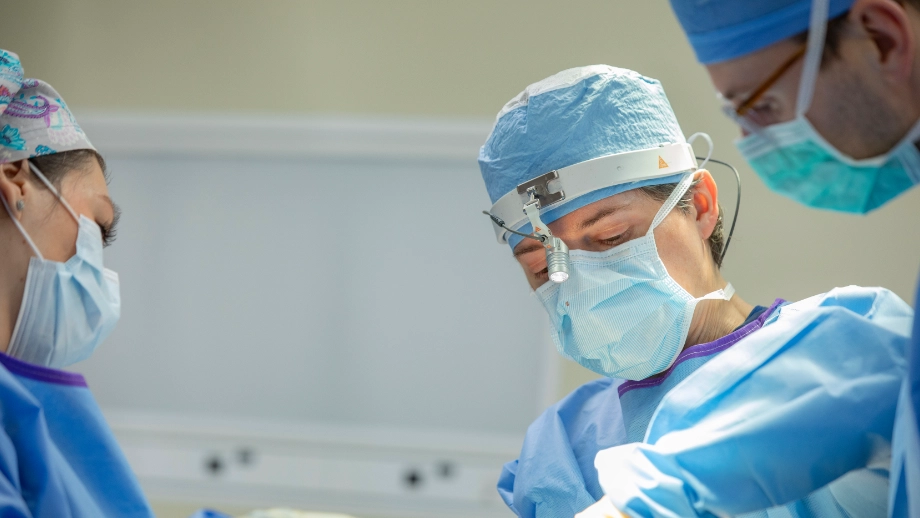
If you’re scheduled for septoplasty, the question on your mind is usually simple: how long until I feel normal again? Most people are back to light, everyday routine about one to two weeks after surgery, with internal splints removed around day five to seven. Your nose keeps settling for months after that, and full internal healing takes about three to six months. Here’s what each stage actually feels like, what to avoid, and when to call your surgeon.
The septoplasty recovery timeline, week by week
Recovery is steadier than most people expect, but the first few days are the hardest. A realistic timeline looks like this:
- Days 1 to 3: the most congested stretch. Your nose feels blocked from swelling, not because anything went wrong, and you’ll likely breathe through your mouth. Some blood-tinged drainage is normal. Rest with your head elevated.
- Days 5 to 7: if your surgeon placed internal splints, they usually come out at your first follow-up, and nasal breathing starts to open up noticeably.
- Days 7 to 14: most people return to desk work or school and a light daily routine.
- Weeks 2 to 3: light exercise typically resumes once your surgeon clears you.
- Week 4: strenuous workouts, heavy lifting, and contact sport are usually cleared around here.
- Months 3 to 6: internal tissue finishes remodeling and your breathing settles into its final state.
This general timeline is consistent across published clinical sources, including Cleveland Clinic and North Valley ENT. Your own surgeon’s instructions always come first, because your timeline depends on your specific repair.
The worst day, and the first week
If people dread one thing, it’s the congestion. For the first few days your nose feels completely blocked, and that’s swelling inside the nose rather than a sign the surgery failed. Mouth breathing, a dull pressure across the face, and blood-tinged mucus are all normal early on. It eases noticeably once the splints come out and the swelling starts to drop, usually by the end of the first week.
What not to do while you heal
A few habits can set your recovery back, so most surgeons ask you to avoid them for the first few weeks:
- No forceful nose blowing while the inside is healing.
- No heavy lifting, generally nothing over about 10 pounds, until you’re cleared.
- No strenuous exercise or contact sport for about four weeks.
- Sleep with your head elevated for the first several nights to keep swelling down.
When can you go back to work and exercise?
Most people with a desk job are back within seven to fourteen days, once the splints are out and the worst congestion has passed. Light exercise usually resumes around week two to three with your surgeon’s clearance, and full-intensity workouts and contact sport around week four. If your work is physical, talk to your surgeon about the right timeline for you.
Will your face change after septoplasty?
No. Septoplasty works entirely inside the nose to straighten the wall between your nostrils, so it doesn’t change the shape or appearance of your nose. Some people notice mild, temporary numbness in the front teeth or the tip of the nose, or feel like their smile is stiff for a little while, because of swelling near the nerves. That settles as you heal. Changing the outward shape of the nose is a different, cosmetic procedure (rhinoplasty).
When to call your surgeon
Most recoveries are uneventful, but call your surgeon’s office if you have heavy bleeding that doesn’t slow, a fever, spreading redness, severe pain that isn’t controlled by your medication, or breathing that gets worse instead of better. These are uncommon, and your care team would rather hear from you early.
Frequently Asked Questions
What’s the worst day after septoplasty?
For most people it’s the first two or three days, when swelling inside the nose is at its peak and you’re breathing through your mouth. It feels blocked, not painful, and it improves once the splints come out and the swelling drops.
What should you not do after septoplasty?
Avoid forceful nose blowing, heavy lifting over about 10 pounds, and strenuous exercise or contact sport for roughly four weeks. Sleeping with your head elevated for the first several nights also helps keep swelling down.
How long do you have to rest after septoplasty?
You don’t need strict bed rest, but plan to take it easy for the first several days and keep your head elevated. Most people return to desk work or school within seven to fourteen days.
What is the most painful part of septoplasty?
Septoplasty is usually described as more uncomfortable than painful. The congestion and pressure in the first few days bother people more than actual pain, which is typically manageable with the medication your surgeon provides.
Will my face change after septoplasty?
No. The surgery is done inside the nose and doesn’t change how your nose looks. Any numbness in the front teeth or a stiff-feeling smile is temporary swelling near the nerves and settles as you heal.
What surprises people most about septoplasty recovery?
Two things: how blocked the nose feels in the first few days (that’s swelling, not a problem), and how long the final result takes, because breathing keeps improving gradually for months as the inside of the nose finishes healing.
Thinking about septoplasty?
If you’re still weighing whether to have your deviated septum repaired, our septoplasty page walks through what the surgery involves and its all-inclusive price, and you can request a specialist to talk through your options.